
Why understanding odds can elevate your casino experience
The Thrill of the Game
One of the most compelling reasons people are drawn to casinos is the thrill associated with gambling. The anticipation of winning creates a rush of adrenaline, making every spin of the slot machine or card dealt in a game of blackjack an exhilarating experience. This excitement often overshadows the inherent risks involved, transforming the gaming floor into a vibrant stage where dreams of fortune are played out, and players sometimes prefer to use a site with a reputation for fast casino withdrawal that enhances their overall enjoyment. The atmosphere is electric, and many find it hard to resist the allure of such thrilling encounters.
Moreover, the excitement is not limited to merely winning money; it encompasses the entire experience of being in a casino. The sounds of coins clinking, cheers from successful players, and the shuffling of cards all contribute to an immersive environment that captivates visitors. This sensory overload can lead to a heightened state of euphoria, prompting individuals to chase that feeling again, even if the odds may not be in their favor. The emotional rollercoaster becomes addictive, leading many to return for more.
This thrill-seeking behavior is often fueled by a certain level of optimism bias. Many gamblers believe they are luckier than average, which can encourage them to play more frequently. This sense of confidence can overshadow the reality of their actual chances of winning, enticing them to keep coming back for the possibility of overcoming the odds, even when history suggests otherwise.
Social Interaction and Community
Another significant factor driving people to casinos is the social aspect they offer. Casinos are not just places to gamble; they are social hubs where people gather to interact, celebrate, and unwind. The communal environment fosters connections among players as they share experiences, strategies, and stories of luck. Such social interaction can make the gamble feel less isolating and more engaging, turning what might be a solitary activity into a shared adventure.
Events such as poker tournaments or themed nights often attract large groups, enhancing the communal experience even further. These gatherings provide opportunities for individuals to bond over common interests while also elevating the atmosphere with excitement and competitiveness. Regulars can form friendships with both staff and other players, creating a sense of belonging that adds to the appeal of frequent casino visits.

Additionally, the casinos often host entertainment and dining options that cater to various tastes, further enhancing the social experience. People are drawn not only by the gaming options but also by the chance to enjoy live performances, exquisite meals, and themed events. This multifaceted approach to entertainment is appealing, as it frames the casino as a holistic entertainment destination rather than a mere gambling venue.
The Appeal of High Stakes
The allure of high-stakes gambling can be irresistible for many. Players often flock to casinos with the hope of winning significant amounts of money quickly. The anxiety and excitement that accompany high-stakes games create a certain prestige and allure, making the chance to participate feel like a rare opportunity. For some, the potential for a life-changing win can overshadow the risks, stimulating a desire to join the ranks of those who have struck it rich.
Moreover, the advertising around high-stakes games often showcases the glamor and excitement associated with large wins. Stories of jackpot winners are widely shared, reinforcing the idea that anyone can win big with enough luck. These narratives become a part of popular culture, feeding into the mythos of casinos as a place of dreams where fortune favors the bold. The psychological impact of such tales can lead individuals to take greater risks than they might usually consider.
This attraction to high stakes also has an inherent social validation aspect. Participating in high-stakes games can confer a sense of prestige or status among peers. Many players are drawn to the idea of flaunting their successes within social circles, contributing to a culture that celebrates big wins. As a result, the desire to be part of this relationship with risk and reward becomes more appealing, even as individuals are aware of the potential downsides.
Marketing and Accessibility
Casinos invest heavily in marketing strategies that create an enticing image for potential visitors. Promotions, loyalty programs, and giveaways are designed to attract new patrons while ensuring that existing customers keep returning. Advertising campaigns often emphasize the excitement and opulence of the casino experience, portraying it as a memorable night out. The targeted marketing efforts can lead individuals to overlook the risks associated with gambling, focusing instead on the perceived benefits and fun.
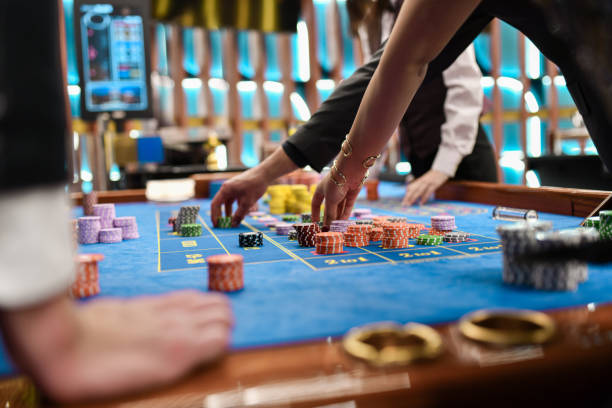
Moreover, the growing accessibility of casinos plays a significant role in their popularity. With the rise of online gambling platforms, people can now enjoy casino games from the comfort of their homes. This ease of access breaks down barriers that might have previously prevented some individuals from participating in gambling activities. Increased access can desensitize players to the risks, making them more likely to engage in gambling behaviors without fully considering the potential consequences.
Physical casinos also continue to evolve, with attractive promotions and amenities designed to appeal to a broad audience. The incorporation of luxurious experiences, such as spa services, fine dining, and live entertainment, creates a more compelling reason for individuals to visit. The transformed image of casinos as comprehensive entertainment facilities shifts the focus away from gambling risks and towards an enjoyable leisure experience.
Exploring More About Gambling Culture
As the interest in gambling culture continues to grow, understanding the underlying reasons behind the allure of casinos becomes increasingly essential. Many individuals may view their casino visits as a form of escapism from everyday life, where they can immerse themselves in excitement and possibility. This escape can be particularly appealing in times of stress or uncertainty, providing a temporary refuge from reality.
Furthermore, the psychological aspects of gambling are complex and multifaceted. The thrill of risk-taking can lead to a dopamine release, creating feelings of pleasure and satisfaction. Such physiological responses become linked to the act of gambling, leading to repeated behavior as people seek to experience that high again. The cycle of play, win, and loss helps reinforce the attraction of the gambling experience, even when the risks are understood.
In conclusion, the reasons people flock to casinos despite the risks are deeply rooted in human psychology, social dynamics, and marketing strategies. Whether drawn by the thrill of the game, the social interactions, the lure of high stakes, or the accessibility of gambling options, individuals consistently seek out these experiences, often overlooking the potential downsides. Understanding this dynamic can offer insight into the broader cultural significance of casinos in society today.